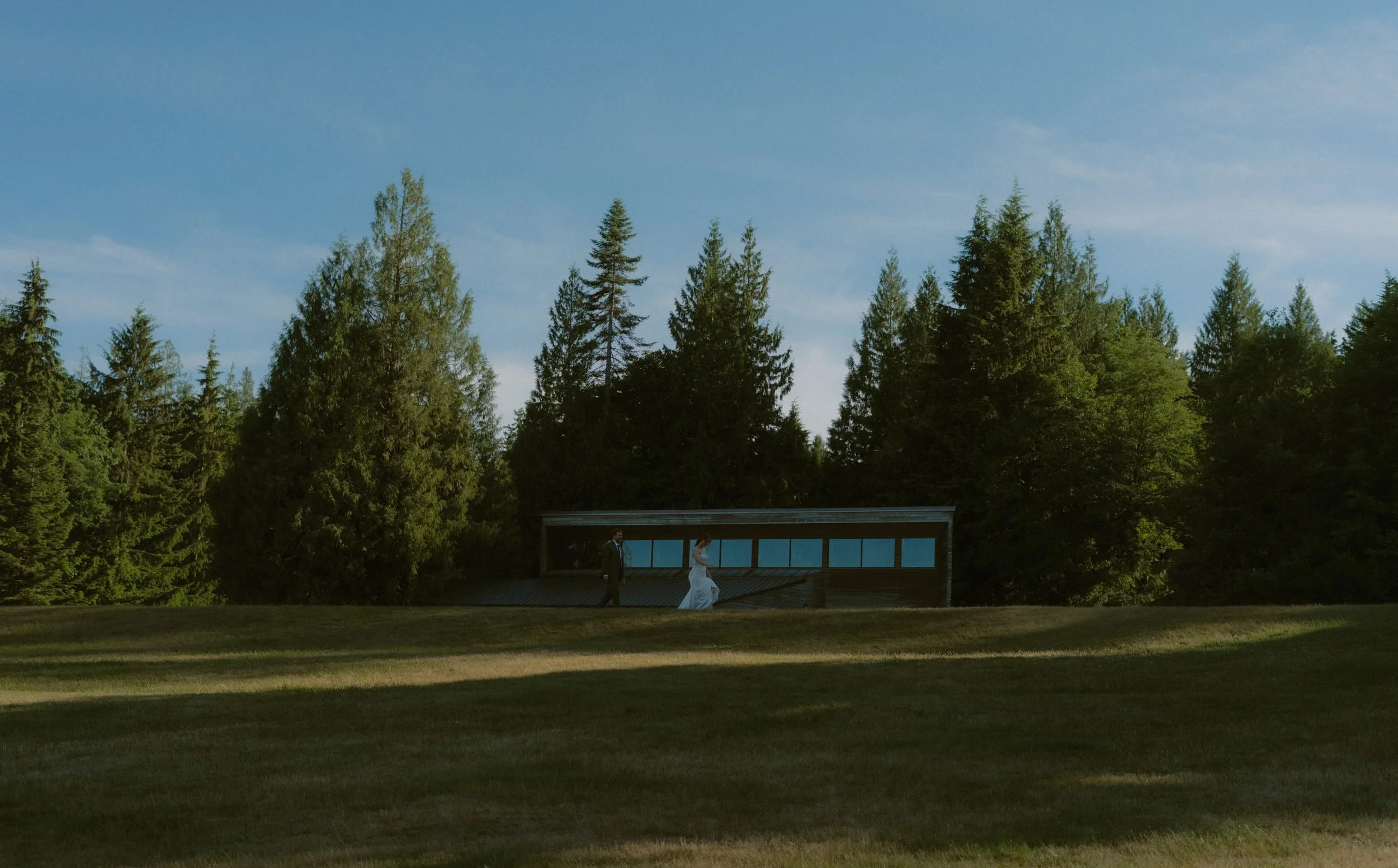
How Much Wedding Photography Coverage Do You Need? 4, 6, 8 and 10 Hours Explained
The right amount of wedding photography coverage is not automatically the longest option. It is the amount of time that lets the parts you care about happen without squeezing them together for the camera.
Four hours can be enough for a small wedding or one important part of the day. Six hours can work for something compact, but it usually feels rushed when it is asked to hold a full wedding. Eight hours is our favourite starting point for a full wedding that is not overstuffed, while ten hours is often more than a wedding needs unless the schedule is packed or the couple wants meaningful buffer. The difference is not only how many photographs you receive. It is how much of the day can unfold at its real pace.
We offer four, six, eight, and ten hours for weddings. This guide explains what each option can realistically hold, where couples tend to feel rushed, and what we look at before recommending one.
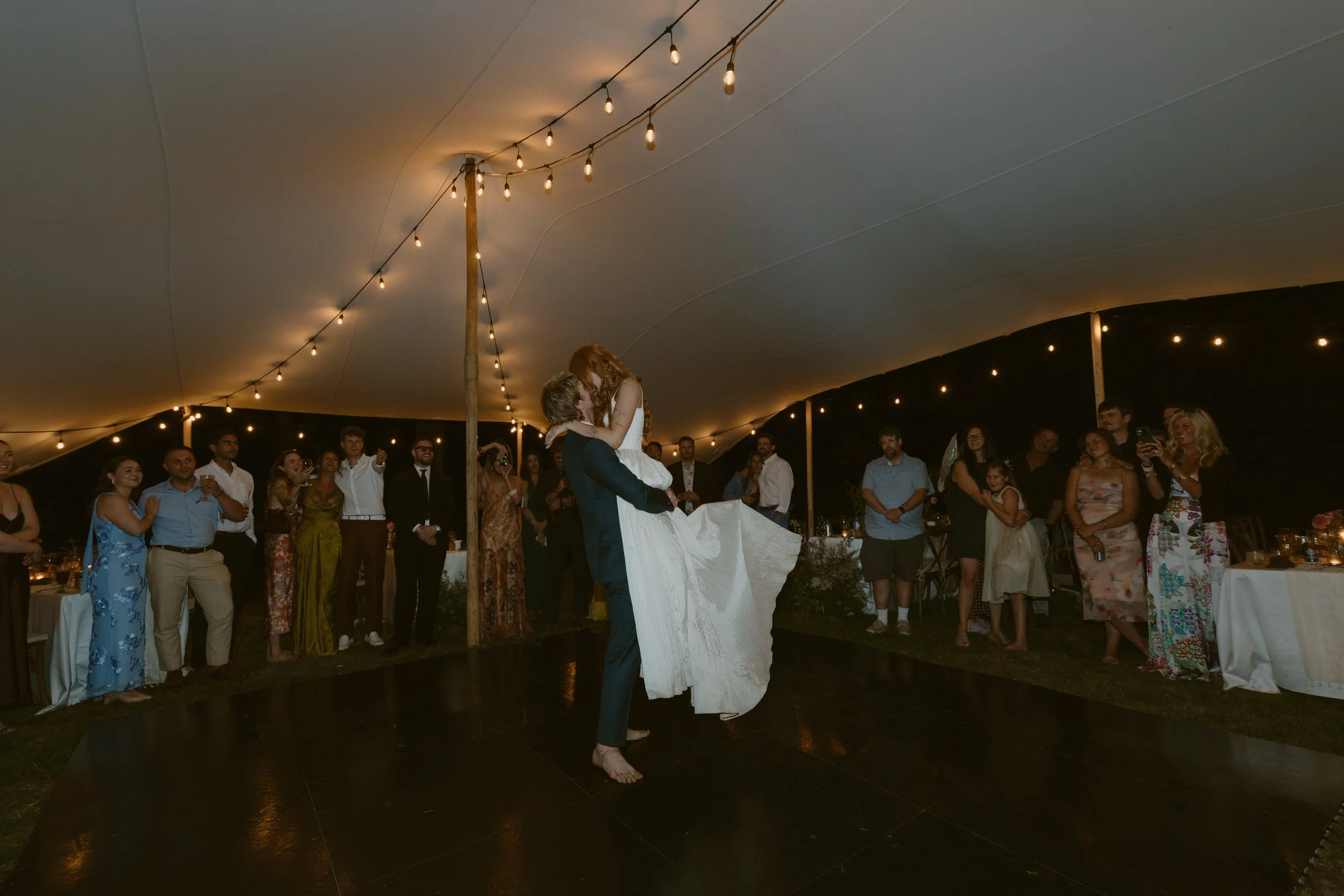
The short answer: choose the events first, then count the hours
Start with the moments you would be genuinely sad not to have photographed. That list might include getting dressed with your closest people, a first look, the ceremony, family photographs, cocktail hour, dinner, speeches, sunset portraits, or the start of the party.
Then add the practical pieces between them. Travel, parking, walking through a hotel, moving a wedding party, gathering family members, and waiting for a room to clear all use real time. A timeline that works on paper can still feel tight if every transition assumes everyone moves instantly.
The best coverage leaves some breathing room. It lets you finish a conversation, eat the dinner you chose, and stay present when a moment runs five minutes longer than expected. Photography should support the wedding, not turn it into a list of scenes to complete.
What can 4 hours of wedding photography cover?
Four hours works best for a small day or one important part of a larger one. The ceremony and reception may be in the same place, or the couple may decide that the ceremony, portraits, and closest people are the part they most want photographed. There is no expectation that the gallery will include both getting ready and late-night dancing.
A four-hour window could begin shortly before the ceremony and finish after portraits and the opening part of the reception. It could also focus on a first look, ceremony, and family photographs, or on one reception chapter that matters deeply to the couple. What it cannot comfortably do is stretch across several locations and still tell the whole day from preparation to party.
A realistic 4-hour example
2:30 pm: photography begins with venue details and guests arriving
3:00 pm: ceremony
3:30 pm: family photographs
4:00 pm: couple portraits
4:45 pm: time with your closest people
5:30 pm: an intimate dinner begins
6:30 pm: photography ends after the opening part of dinner
This example stays at one location and deliberately leaves getting ready and the dance floor outside the coverage window. Four hours works because one compact part of the day gets the room it needs.
Four hours is a good fit when the centre of the day or one specific chapter matters more than having everything photographed. It is not a shortcut version of ten-hour coverage. It is a different shape of story.
What can 6 hours of wedding photography cover?
Six hours can give a small, one-location wedding more room, but we do not generally recommend it for a full wedding. It often looks workable on paper and then feels rushed once people, transitions, and ordinary delays enter the day.
The main decision is which edge of the day matters more. Starting earlier makes room for preparation and the anticipation before the ceremony. Starting later makes room for speeches, a first dance, or evening portraits. Six hours can touch both edges only when the plan is genuinely compact, the locations are close, and some chapters are intentionally left outside the photography window.
A realistic 6-hour example
2:30 pm: photography begins with final getting-ready moments and details
3:15 pm: first look and couple portraits
4:00 pm: wedding-party photographs
4:30 pm: reset before the ceremony and guest arrivals
5:00 pm: ceremony
5:30 pm: family photographs and cocktail hour
6:30 pm: reception entrance and dinner
7:30 pm: a short round of speeches
8:30 pm: photography ends
Even this example depends on one location, a focused family list, and a reception that begins on time. Add another venue, a longer ceremony, or a dance floor and six hours starts asking the couple to hurry. For most full weddings, we would rather recommend eight hours and let the schedule breathe.
Six hours can be a very different fit for an elopement or a small hike. Hiking coverage is planned and priced separately because route time, access, terrain, permits, and the light around golden hour all affect how much time the experience needs. A short guest list does not automatically mean a short photography timeline in the mountains.
What can 8 hours of wedding photography cover?
Eight hours is our favourite starting point for a full wedding, provided the day is not overstuffed. It can usually include getting ready, the ceremony, portraits, cocktail hour, dinner, speeches, and the first dances without treating every transition as a race.
It also handles a moderate amount of travel better. If one partner is getting ready at a hotel, the ceremony is at a church, and the reception is somewhere else, those drives come out of the photography window. Eight hours gives us more room to move with the day and still photograph the people around the main events.
A realistic 8-hour example
1:00 pm: photography begins with both sides getting ready
2:15 pm: first look and couple portraits
3:00 pm: wedding-party photographs
3:30 pm: travel or quiet reset before the ceremony
4:00 pm: ceremony
4:30 pm: family photographs and cocktail hour
5:30 pm: reception details and guest candids
5:45 pm: dinner
7:00 pm: speeches
8:00 pm: sunset portraits or a short walk together
8:20 pm: first dances
8:30 pm: open dancing
9:00 pm: photography ends
An eight-hour day does not have to begin at hair and makeup or finish with the last song. It usually captures enough of both ends that the gallery feels complete.
What can 10 hours of wedding photography cover?
Ten hours is often more than a wedding needs. It becomes useful when the schedule is packed, the day moves between locations, cultural traditions need space, or the couple wants meaningful buffer around the plan. It can begin while getting ready is still active and continue far enough into the reception for the dance floor to feel like a real part of the story.
Longer coverage also gives natural moments more room to happen. The venue before guests arrive, the people gathering outside the ceremony, a quiet minute after dinner, or the reactions around the room during a speech are often the photographs that make the gallery feel lived in. They are easier to notice when the timeline is not compressed.
A realistic 10-hour example
11:30 am: photography begins with preparation, people, and details
1:00 pm: everyone gets dressed
1:45 pm: first look and portraits
2:45 pm: wedding-party photographs
3:15 pm: travel to the ceremony
4:00 pm: ceremony
4:45 pm: family photographs and cocktail hour
5:45 pm: reception entrance
6:15 pm: dinner
7:30 pm: speeches
8:30 pm: sunset portraits
8:50 pm: first dances
9:00 pm: open dance floor
9:30 pm: photography ends
Ten hours is not necessary because a wedding is large or formal, and we would not recommend it simply because it sounds more complete. A small wedding can still need it if the experience includes a slow morning, several places, a long dinner, or a party the couple wants documented properly.
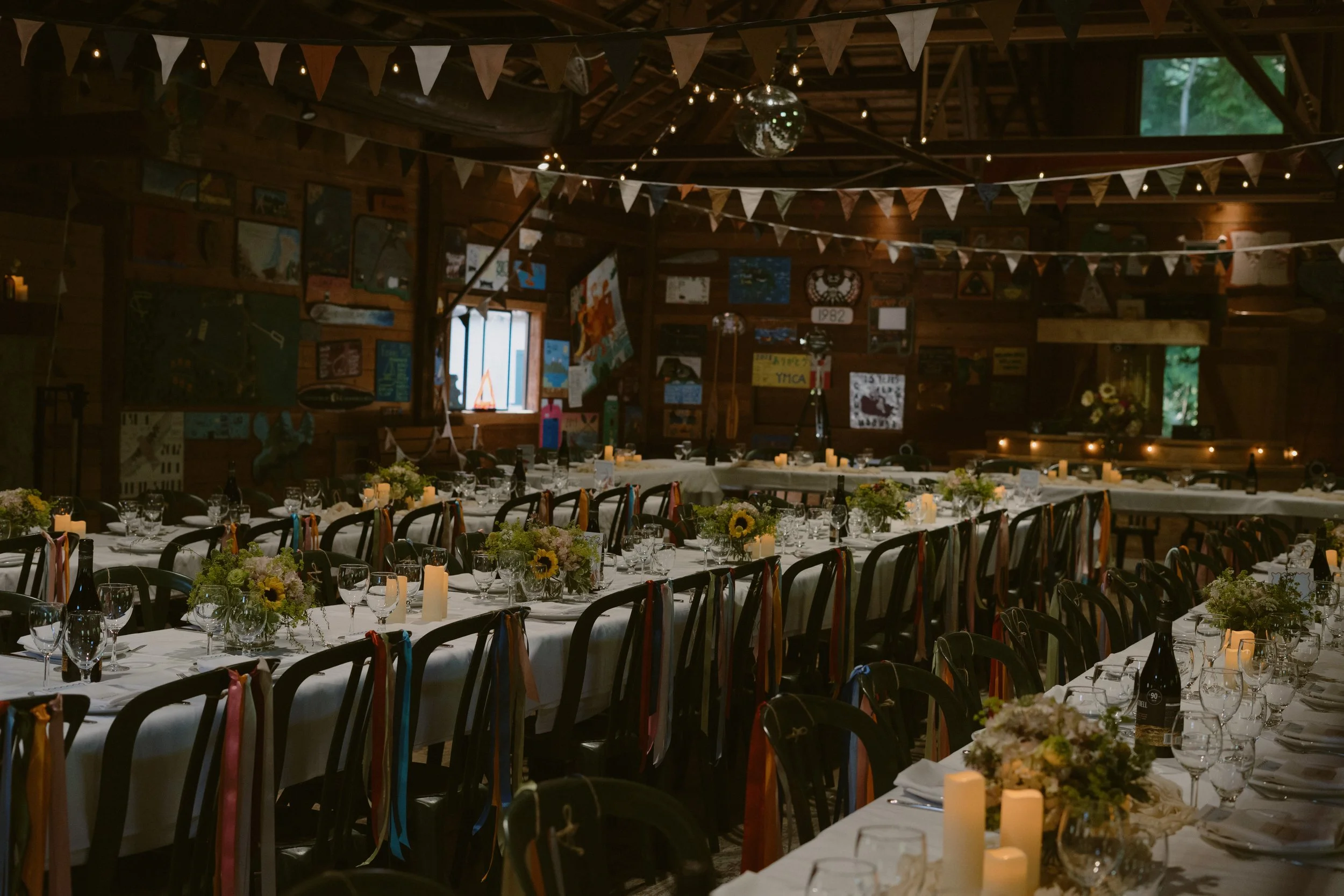
How two photographers affects your coverage
We are a two-lead team. That lets us photograph two getting-ready spaces, cover the ceremony from complementary perspectives, and watch the people around the main action without asking the day to stop.
Two photographers create fuller coverage within the same clock. They do not make driving time disappear or turn four hours into eight. If the ceremony and reception are far apart, the travel still has to live somewhere in the timeline. The advantage is depth: while one of us stays with the obvious moment, the other can find the reaction, the wider room, or the person you did not know was watching, thats where the magic is.
Five things that change how many hours you need
1. The number of locations
One venue is the simplest use of time. Separate getting-ready spaces, a ceremony location, a portrait stop, and a reception venue can consume a meaningful part of the coverage window once parking and movement are included. Choose locations because they matter to you, then budget honestly for the travel between them.
2. Whether you are doing a first look
A first look moves many portraits before the ceremony and can protect more of cocktail hour. Skipping one is equally valid, but portraits and family photographs then need a clear home after the ceremony. The choice changes the order of the day more than the amount of photography you need. We are big fans of a first look, it gives you and your partner space to breathe for a minute, and also get portraits before the rest of the day unfolds.
3. The size of the family-photo list
A focused list of immediate-family combinations can move quickly. A longer list with extended family needs more time and someone who knows the group to help gather people. We help organize the order beforehand so the photographs happen efficiently without making anyone feel barked at but it can be time consuming especially if people wander off.
4. Whether the reception matters as much as the ceremony
If you care about speeches, parent reactions, first dances, late-night food, or the way your friends behave once the formal parts are over, make sure coverage reaches them. Ending photography at dinner may be perfectly right for one couple and a real regret for another.
5. How much margin you want
A timeline with no margin assumes every person, vehicle, elevator, button, and bouquet behaves exactly as planned. Most do. One usually does not. Build breathing room around the transitions most likely to move, such as travel, getting dressed, gathering family, and changing rooms. The right amount depends on the day rather than a fixed number of minutes everywhere.
Should you add an extra hour instead of moving to the next collection?
Sometimes, yes. Additional wedding coverage is currently $500 per hour. Our standard collections rise in two-hour steps, so adding one hour can create a five, seven, or nine-hour option when that fits the timeline better. We confirm any added time by email or another written agreement so the new coverage window and cost are clear.
The important part is not forcing the day into a package before the schedule exists. On our call, we look at the locations, ceremony time, dinner, speeches, and the moments you care about, then recommend a clean photography window. That may be more or less coverage than the amount you first had in mind.
You can see the current wedding collections on our pricing page. As of September 2026, wedding coverage is $2,500 for four hours, $3,500 for six hours, $4,500 for eight hours, and $5,500 for ten hours. GST is added to the listed price.
What we would choose for common wedding-day shapes
A private ceremony followed by dinner
Four hours can work when everything is close and the priority is the ceremony, portraits, and time with a small group. Six hours gives the day room for some preparation or more of dinner.
One venue with getting ready on site
Six hours can work only when the day is truly compact and some chapters are intentionally left out. Eight hours is our usual recommendation for a full wedding, especially if speeches and the first dances matter.
A church ceremony and separate reception venue
Eight hours is usually the safer starting point because travel, parking, and moving the group use part of the window. Ten hours can make sense when the travel or the rest of a packed plan needs more room than eight hours can hold comfortably.
A full wedding with a busy reception
Eight hours can reach the beginning of the party when the day is not overstuffed. Ten hours is useful when a packed plan needs more buffer or the couple wants the preparation and reception to have equal space.
An intimate wedding with a long dinner
Guest count does not decide coverage. A small wedding built around a slow meal, multiple speeches, and real time with each guest may need more hours than a larger event with a short reception.
Wedding photography coverage FAQ
Is four hours enough for a wedding photographer?
Yes, when the day is compact and the priorities are clear. Four hours can cover the ceremony, family photographs, couple portraits, and part of a small gathering. It is usually not enough for getting ready, several locations, dinner, speeches, and dancing.
Is eight hours enough for a full wedding day?
For many weddings, yes. Eight hours can usually cover the last part of getting ready through the first dances when the locations and schedule are reasonable. Travel, long ceremonies, and later dinner times can shift what fits.
When should wedding photography start?
For many full wedding days, we begin photography around 1 pm, when hair and makeup are nearly finished and the people closest to you are present. It all depends on the day you’ve built! At an unfamiliar venue, we arrive early enough to scout, understand how the space is moving, and settle in before photography begins. The exact start time still follows the ceremony, locations, and priorities rather than a fixed rule.
Do we need photography until the end of the reception?
Usually not. When the dance floor has real energy, 30 to 60 minutes is normally enough to photograph that part of the story. More clock time cannot create energy if nobody is dancing yet, but when the room is moving, we enjoy dancing and being in it with everyone too. If there is a late-night tradition or exit that matters, build the coverage around it intentionally.
Does travel between venues count as photography time?
Yes. Coverage is continuous from the agreed start time to the end time, including travel between locations. We account for that when helping you shape the timeline.
Can we decide on extra coverage later?
Yes. Coverage can be added after booking. If the request happens on the wedding day, it still must be agreed by email or another written message before the additional coverage begins. Added time is $500 per hour, and it is usually better to make that decision before the wedding than to discover on the day that the events you care about fall outside the planned window.
Will you tell us if we are booking more time than we need?
Yes. We want the photography to fit the day. If a shorter collection holds your priorities without rushing them, we will say so. If the schedule is trying to fit too much into too little time, we will explain exactly where the pressure will show up.
Choose enough time to stay in the day
The best timeline is not the one that fits the most photographs into the fewest hours. It is the one that lets you notice the people around you while we quietly keep track of the story.
Read about working with us as Vancouver wedding photographers, look through our wedding portfolio, review the current collections, or tell us what you are planning. We will help you choose the amount of coverage based on the day itself, not a generic rule.